Accelerating Rewards: Transaction Velocity's Influence on Layered Incentives in Slots and Live Dealer Platforms
Tina Sullivan · Jul 17, 2026
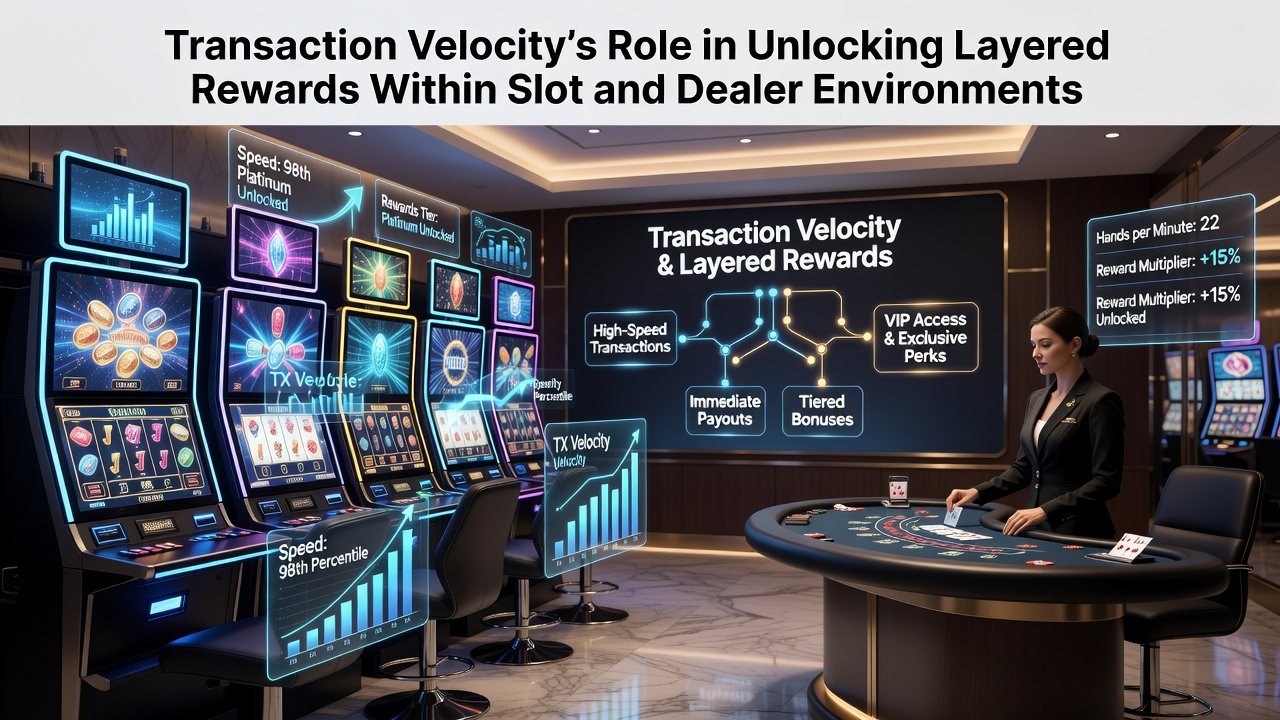
Accelerating Rewards: Transaction Velocity's Influence on Layered Incentives in Slots and Live Dealer Platforms
Transaction velocity refers to the speed at which deposits and withdrawals process within gaming platforms, and this metric directly shapes how players access multi-tiered reward structures in both slot machines and live dealer environments. Faster processing times enable immediate qualification for bonus layers that include free spins, multiplier escalations, and progressive jackpot entries while slower systems create bottlenecks that delay or fragment these incentives.
Core Mechanics of Velocity in Slot Systems
Slot environments rely on rapid deposit confirmations to unlock initial bonus tiers, and once those funds clear players often qualify for secondary layers such as enhanced reel modifiers or chained free spin sequences. Research from the American Gaming Association shows that platforms with sub-second transaction approvals report higher activation rates for these stacked promotions compared to those using batch processing methods. Observers note that this velocity allows seamless transitions between base game play and promotional features without manual intervention or waiting periods that previously interrupted session flow.
Layered rewards in slots frequently depend on cumulative activity thresholds, and transaction speed determines how quickly players accumulate the required metrics. When deposits register instantly, daily or hourly challenges integrate more smoothly into ongoing sessions because players avoid gaps that reset progress trackers. Data from industry transaction logs indicate that systems averaging under three seconds for verification sustain longer engagement chains where one reward tier feeds directly into the next.
Live Dealer Integration and Real-Time Reward Stacking
Live dealer tables introduce additional variables because table minimums and side bet options often tie into reward eligibility windows that close quickly. Transaction velocity becomes critical when players need to top up balances mid-round to meet escalating bet requirements for bonus multipliers or dealer-specific promotions. Platforms that process transfers in real time let participants maintain continuous presence at tables while unlocking progressive layers such as cashback escalators or loyalty point accelerators.
Studies conducted by the University of Nevada's gaming research division reveal that live environments with optimized velocity protocols experience fewer abandoned sessions during promotional events. The same reports highlight how instant funding supports hybrid play patterns where players shift between slots and tables without losing accumulated reward progress across both formats. This connectivity turns isolated bonus events into sustained layered campaigns that span multiple game types.
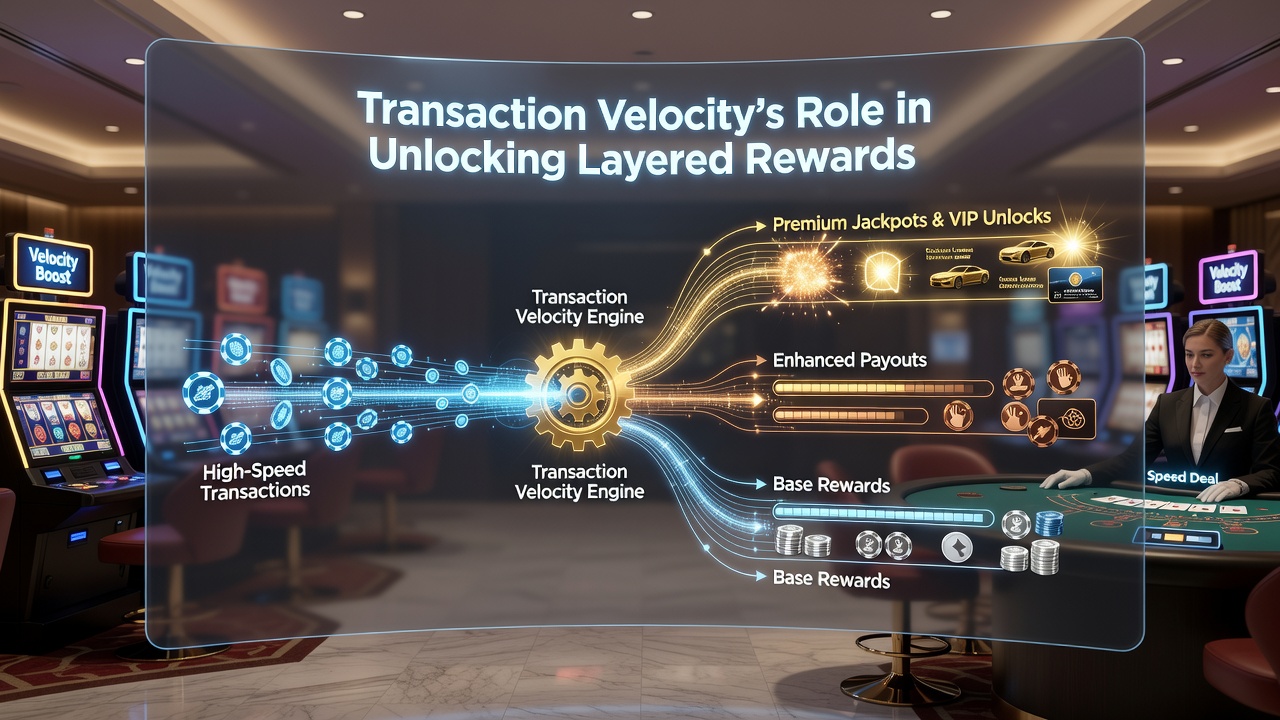
Technical Infrastructure Supporting Velocity Gains
Modern payment rails incorporate blockchain verification and API integrations that compress processing timelines from minutes to milliseconds, and these advancements directly expand the number of reward layers operators can offer. As of July 2026 several major platforms have adopted unified wallet systems that synchronize slot and dealer balances instantaneously, eliminating the need for separate funding steps that once fragmented promotional access.
Security protocols have evolved alongside speed improvements so that velocity does not compromise verification standards. Multi-factor authentication now runs in parallel with transaction authorization rather than sequentially, allowing platforms to maintain regulatory compliance while delivering immediate reward unlocks. Analysts tracking these developments point to reduced friction as the primary driver behind expanded promotional complexity in both slot and live dealer categories.
Player Behavior Patterns and Reward Layer Activation
Players who benefit from high transaction velocity tend to engage with deeper reward stacks because they can respond quickly to time-sensitive offers that appear during active sessions. Patterns observed across multiple operator datasets show increased participation in chained promotions where completing one layer automatically triggers eligibility for the next without additional deposits. This dynamic proves especially relevant in live dealer settings where table-side bonuses often require rapid balance adjustments.
Geographic variations in payment infrastructure also influence how effectively velocity translates into layered rewards. Regions with widespread instant banking options demonstrate higher average reward redemption rates than those relying on traditional card networks with longer settlement periods. Operators adjust promotional structures accordingly, tailoring layer depth to the transaction speeds prevalent in their primary markets.
Conclusion
Transaction velocity functions as a foundational enabler for layered reward systems across slot and dealer environments by removing temporal barriers that previously limited promotional access. The integration of faster processing with existing game mechanics creates opportunities for operators to design more intricate incentive structures that reward continuous and cross-format participation. Continued infrastructure improvements will likely expand these capabilities further as platforms refine the connection between payment speed and reward availability.