Bridging Transaction Flows with Incentive Mechanics: How Electronic Options Activate Layered Spin Rewards in Slot and Table Ecosystems
Tina Sullivan · Aug 16, 2026

Bridging Transaction Flows with Incentive Mechanics: How Electronic Options Activate Layered Spin Rewards in Slot and Table Ecosystems
Electronic payment systems now connect directly to reward structures in both slot and table game environments, creating pathways where transaction speed influences the activation of multi-tiered spin incentives. Observers note that these mechanics operate through integrated platforms that process deposits in real time, triggering bonus layers based on transaction volume and game type, and data from regulatory filings show this integration has expanded since early 2025 across multiple jurisdictions.
Mechanics of Electronic Options in Reward Activation
Payment gateways interface with casino management software to monitor deposit timing and amount, then apply incentive rules that unlock successive spin tiers without manual intervention. Researchers at the University of Nevada, Reno have documented how these systems use API connections to verify funds instantly, which in turn releases base spins followed by progressive multipliers when thresholds are met during the same session. Those who track these flows point out that electronic wallets and card processors reduce latency from minutes to seconds, allowing layered rewards to compound across consecutive plays rather than resetting at each deposit.
Systems distinguish between slot ecosystems, where spins accumulate on digital reels, and table environments, where equivalent credits convert to side-bet opportunities or dealer-hand multipliers. According to the Nevada Gaming Control Board quarterly summaries, electronic transaction volumes tied to bonus activations rose steadily through mid-2026, with August figures indicating continued growth in both verticals.
Layered Spin Structures Across Game Types
Slot platforms typically organize rewards into base free spins, enhanced reel modifiers, and jackpot entry layers that unlock sequentially when electronic deposits exceed set parameters. Table game operators mirror this approach by converting transaction confirmations into layered opportunities such as additional card draws or progressive side pots, and studies from the Alcohol and Gaming Commission of Ontario indicate these parallels help maintain consistent player engagement metrics across formats. Data shows that when electronic options process funds within three seconds, the probability of reaching the second and third reward layers increases measurably within the first thirty minutes of play.
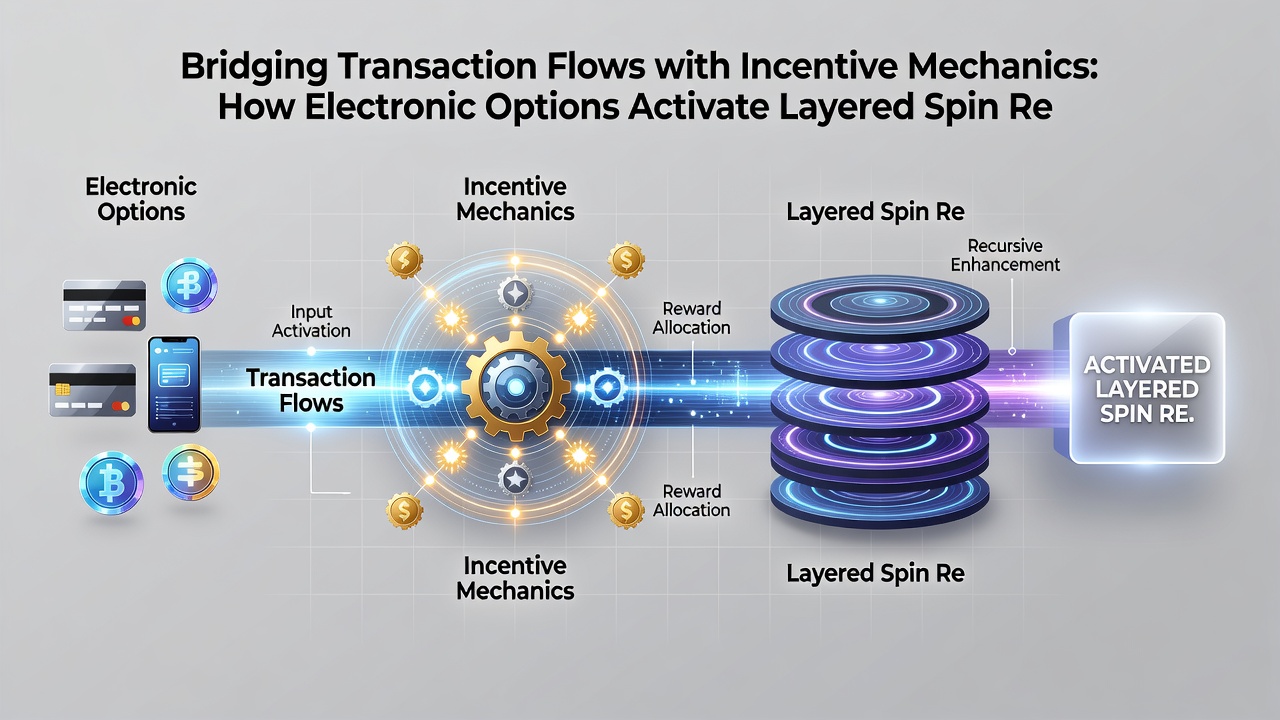
One documented pattern involves players who initiate a deposit via mobile wallet and immediately receive an initial spin package, followed by an additional multiplier layer once the same transaction registers a second game type switch. This bridging effect relies on unified ledgers that treat slots and tables as interchangeable credit pools, and industry reports confirm the model reduces friction that previously separated the two ecosystems.
Transaction Speed and Reward Layering Outcomes
Faster settlement times correlate with higher activation rates for upper-tier incentives, because the system registers the deposit as continuous rather than discrete events. Figures released by the Alcohol and Gaming Commission of Ontario in August 2026 highlighted that sessions incorporating instant electronic transfers showed a 12 percent rise in multi-layer completions compared with slower card-based methods. Observers note the difference stems from timing windows embedded in the incentive code itself, which reward sustained momentum across deposit and play cycles.
Table ecosystems add complexity because live dealer rounds require real-time credit updates to avoid interrupting game flow, yet electronic options now feed these updates directly into the reward engine. This allows a single deposit to activate spins on adjacent slot terminals while simultaneously unlocking table-side bonuses, creating cross-format layering that operators track through centralized dashboards.
Integration Patterns Observed in 2026 Operations
Operators have standardized protocols that map every electronic transaction to predefined reward scripts, ensuring consistency whether the player remains in slots or migrates to tables mid-session. Research indicates these scripts incorporate volume-based triggers, time-based decay rules, and game-type multipliers that adjust dynamically based on the originating payment channel. August 2026 operational logs from several large properties reveal that electronic wallet transactions activate an average of 2.4 reward layers per deposit, compared with 1.7 layers for traditional methods still in limited use.
The bridging process also incorporates audit trails that record each layer activation against the corresponding transaction ID, supporting regulatory compliance without separate reporting streams. Those monitoring these developments emphasize that the unified data structure simplifies both player tracking and operator reconciliation across the combined slot and table inventory.
Conclusion
Electronic payment integration continues to reshape how layered spin rewards distribute across slot and table ecosystems by linking transaction velocity directly to incentive progression. Data compiled through mid-2026 demonstrate measurable differences in layer completion rates tied to payment speed, while unified ledgers enable seamless movement between game formats without resetting accumulated benefits. Regulatory summaries from multiple regions confirm the trend shows no sign of reversal as operators refine the timing parameters that govern reward activation.