Charting Intersections: Payment Efficiency Meets Layered Reward Triggers Across Digital Gaming Formats
Dana Schmid · Jun 21, 2026
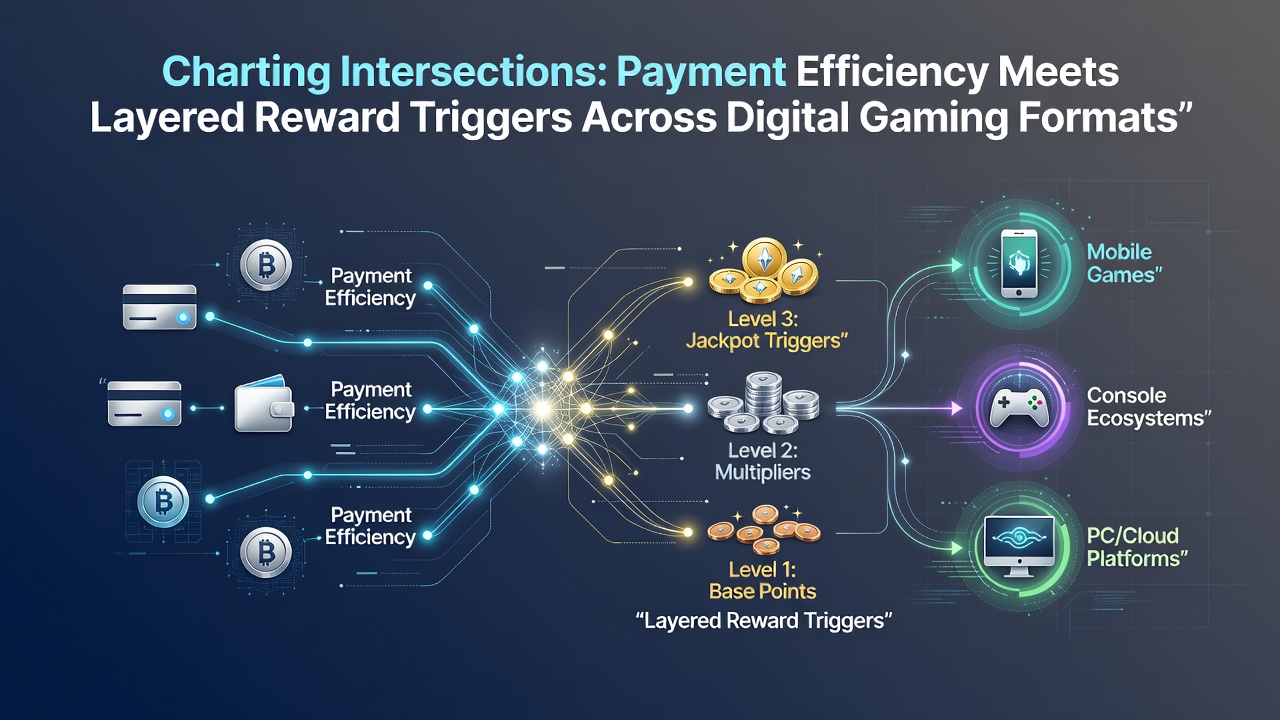
Charting Intersections: Payment Efficiency Meets Layered Reward Triggers Across Digital Gaming Formats
Payment Systems Shape Modern Gaming Economies
Digital gaming platforms rely on payment infrastructure that processes transactions in seconds rather than days, and this speed directly influences how reward layers activate for users across mobile, console, and PC environments. Systems built around instant bank transfers, e-wallets, and cryptocurrency rails now connect with game servers to release layered incentives such as experience multipliers, item unlocks, and progression boosts the moment funds clear. Observers note that these connections reduce friction between deposit and reward delivery, allowing developers to design triggers that respond in real time to player actions and account balances.
Research from the American Gaming Association indicates transaction volumes in regulated digital gaming segments grew steadily through early 2026, with efficient payment rails cited as a contributing factor in sustained engagement metrics. Data compiled in June 2026 showed platforms using sub-second authorization times recorded higher rates of repeat reward redemptions compared with slower legacy processors. Those metrics reflect patterns observed in both free-to-play titles and premium subscription models where in-game economies depend on timely fund movements.
Layered Triggers Across Gaming Formats
Layered reward triggers operate through stacked conditions that combine payment events with in-game behaviors. A player completing a deposit might receive immediate access to a base reward tier, then unlock secondary layers by achieving session milestones or community challenges. This structure appears in battle-pass systems, daily login sequences, and tournament entry mechanics where payment confirmation serves as the entry point rather than the sole requirement. Experts tracking these designs report that the sequence creates sustained activity loops because each completed layer feeds the next without requiring additional manual input from the user.
Console ecosystems have adopted similar frameworks through digital storefront integrations, while mobile formats leverage app-store billing combined with third-party processors to deliver the same layered outcomes. In massively multiplayer online environments, guild or clan rewards often tie to collective payment activity, extending individual triggers into group-based structures. Figures released by the European Gaming and Betting Association in mid-2026 highlighted that platforms synchronizing payment speed with these layered conditions experienced measurable lifts in average session duration across regions outside the United Kingdom.
Technical Synchronization Between Payments and Rewards
Backend architectures now embed application programming interfaces that link payment gateways directly to reward engines, eliminating manual reconciliation steps. When a transaction succeeds, the system queries player history, applies eligibility rules, and pushes the resulting rewards into the active session within a single call cycle. This approach supports formats ranging from live service shooters to simulation titles where micro-economies require constant balance adjustments. Industry reports from the Canadian Gaming Association document reduced error rates in reward distribution once these direct connections replaced batch processing schedules.
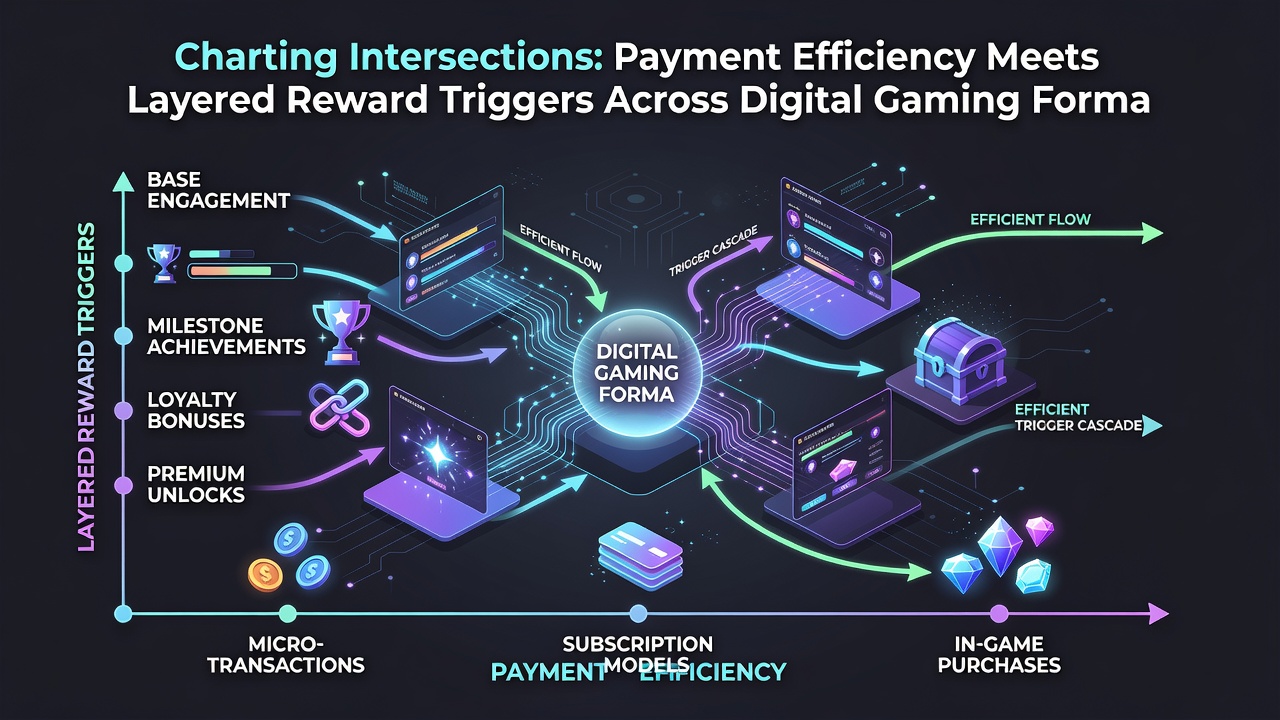
Security protocols have evolved alongside these integrations. Tokenized payment methods and real-time fraud scoring allow platforms to authorize rewards without exposing full account details, maintaining compliance while preserving trigger responsiveness. Studies conducted at institutions such as the University of Nevada, Las Vegas gaming research center have examined how these safeguards affect player trust and subsequent transaction frequency, showing correlations between perceived security and continued use of layered reward pathways.
Regional Variations in Implementation
Different jurisdictions apply distinct rules to payment-reward linkages, creating varied operational landscapes. Australian regulatory frameworks emphasize consumer protection disclosures around reward probabilities, whereas certain Asian markets focus on transaction caps tied to age verification systems. These differences influence how quickly layered triggers can deploy across borders yet do not eliminate the underlying technical pattern of payment-driven activation. June 2026 regulatory updates in select markets further clarified reporting requirements for reward systems connected to instant funding sources, prompting developers to refine their synchronization logic without altering core reward mathematics.
Cross-platform titles illustrate the practical outcome of these variations. A single game may deliver identical reward structures through region-specific payment partners while maintaining consistent player-facing outcomes. This adaptability demonstrates how payment efficiency serves as the common foundation even when regulatory overlays differ.
Conclusion
Payment efficiency and layered reward triggers continue to intersect through technical integrations that span multiple digital gaming formats. Evidence from industry associations and academic sources shows these connections produce measurable effects on transaction volumes, session metrics, and reward redemption rates. As platforms refine synchronization methods and regional rules evolve, the core relationship between rapid fund movement and multi-tier incentive delivery remains a defining characteristic of contemporary gaming economies.