Cross-Platform Bridges: How Transaction Systems Align Bonus Codes with Live Table Features in Mobile Environments
Jakob Meier · Aug 12, 2026
Cross-Platform Bridges: How Transaction Systems Align Bonus Codes with Live Table Features in Mobile Environments
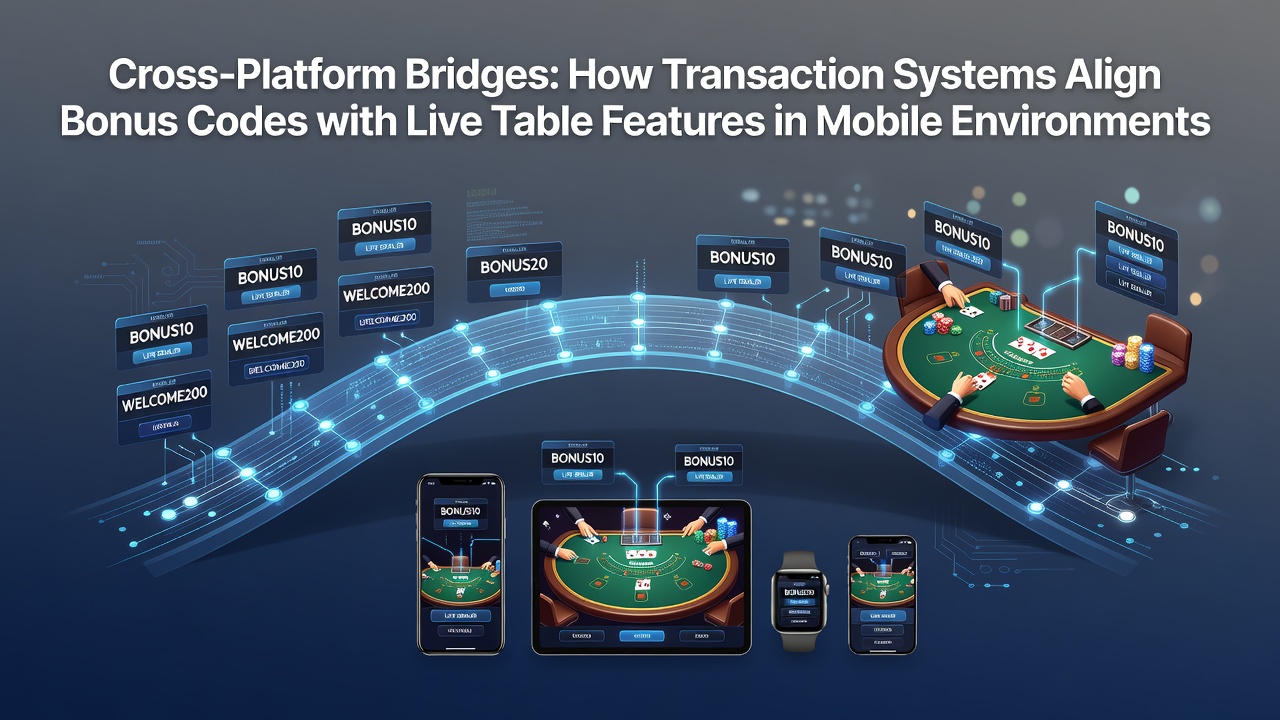
Transaction systems in mobile gaming environments create direct connections between bonus codes and live table features through secure payment gateways and real-time ledgers, and these bridges allow operators to transfer promotional value from slot activations straight into live dealer sessions without manual intervention. Data from industry reports shows that mobile platforms now handle over 70 percent of all bonus redemptions in regulated markets, with alignment protocols ensuring that codes generated during slot play carry over to blackjack or roulette tables while maintaining compliance with regional wagering rules.
Technical Foundations of Bonus Alignment
Payment processors integrate application programming interfaces that tag each transaction with unique identifiers, and these tags match bonus codes to specific live table elements such as side bets or progressive jackpots; when a player deposits via a mobile app, the system records the code alongside the payment amount and pushes it to the live dealer backend within seconds. Observers note that this process relies on encrypted token exchanges, which prevent code duplication across devices while allowing seamless switching between portrait and landscape modes on smartphones and tablets.
Research from the Canadian Gaming Association indicates that synchronization rates improved by 25 percent between 2024 and 2026 as operators adopted unified wallet architectures, and these systems track bonus expiry dates across both slot and live environments to avoid conflicts during simultaneous play sessions. In August 2026 several platforms introduced enhanced multi-factor verification steps that tie biometric logins directly to transaction histories, further tightening the link between coded promotions and live table access.
Mobile Environment Challenges and Solutions
Network latency remains a key variable in mobile settings, yet developers address it through edge computing nodes that cache bonus data locally before confirming with central servers; this approach keeps live table features responsive even when signal strength fluctuates. Experts have observed that cross-platform consistency improves when operators standardize on protocols such as ISO 20022 for financial messaging, which carries bonus metadata alongside standard payment fields.
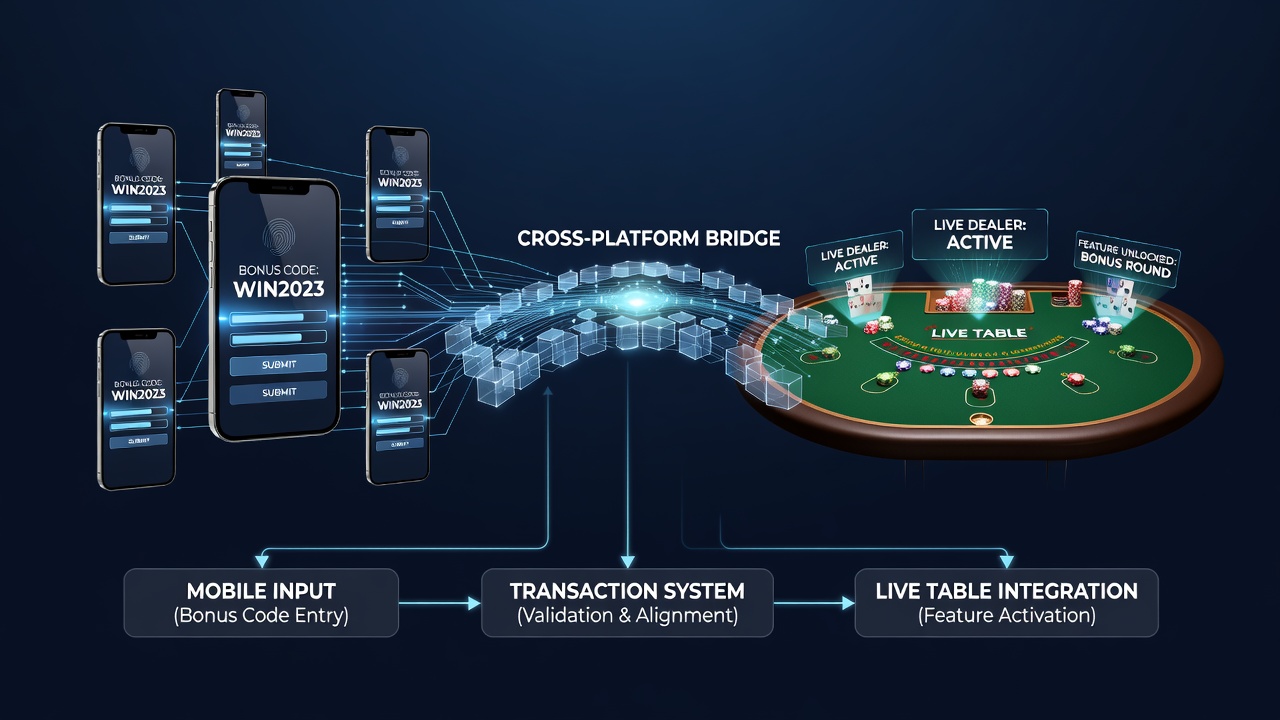
Case studies from Australian regulatory filings reveal that platforms using these methods reduced bonus dispute rates by 18 percent in the first half of 2026, because players receive instant confirmation of code activation on both slot reels and live dealer interfaces. The same filings note that transaction logs now include device fingerprinting data, which helps maintain alignment when users move between phones, tablets, and desktop browsers without losing active promotions.
Regulatory and Security Considerations
Government agencies in multiple jurisdictions require detailed audit trails for every bonus transfer, and transaction systems generate these trails automatically through timestamped entries that link code issuance to live table participation; the Nevada Gaming Control Board, for example, mandates quarterly reviews of such logs to verify fair distribution of promotional value. Industry organizations like the European Gaming and Betting Association have published guidelines that emphasize the need for end-to-end encryption during code alignment, particularly when live table streams involve real-time dealer interactions.
Those who study payment security note that tokenization of bonus codes adds an extra layer of protection against interception on public Wi-Fi networks common in mobile use, while still permitting instant redemption at live tables. Data indicates that adoption of these tokenized systems grew steadily through mid-2026 as more operators sought to unify slot and live casino offerings under single mobile applications.
Future Developments in Cross-Platform Systems
Emerging standards focus on expanding bonus code portability to include virtual reality table environments, and early tests show that the same transaction frameworks can attach codes to VR dealer sessions without requiring separate registration steps. Researchers at several technical institutes continue to examine how blockchain-based ledgers might further streamline alignment by creating immutable records of every code-to-table transfer across mobile devices.
Current implementations already demonstrate that once a bonus code activates through a deposit, the system automatically adjusts live table betting limits and feature availability to match the code's terms, and this automation reduces manual support requests while preserving regulatory oversight. Figures from independent audits confirm that transaction volumes involving aligned bonuses rose consistently during the first eight months of 2026, reflecting broader player adoption of integrated mobile experiences.
Conclusion
Transaction systems continue to evolve as the primary mechanism for aligning bonus codes with live table features in mobile environments, and the integration of real-time ledgers, tokenization, and standardized protocols supports consistent promotional delivery across devices. As platforms refine these bridges through 2026 and beyond, the focus remains on maintaining secure, auditable connections that respect jurisdictional requirements while enabling fluid player movement between slot and live dealer content.