Digital Payment Platforms: Connecting Casino Incentives with Mobile Gaming Advancements
Jakob Meier · Jun 10, 2026
Digital Payment Platforms: Connecting Casino Incentives with Mobile Gaming Advancements
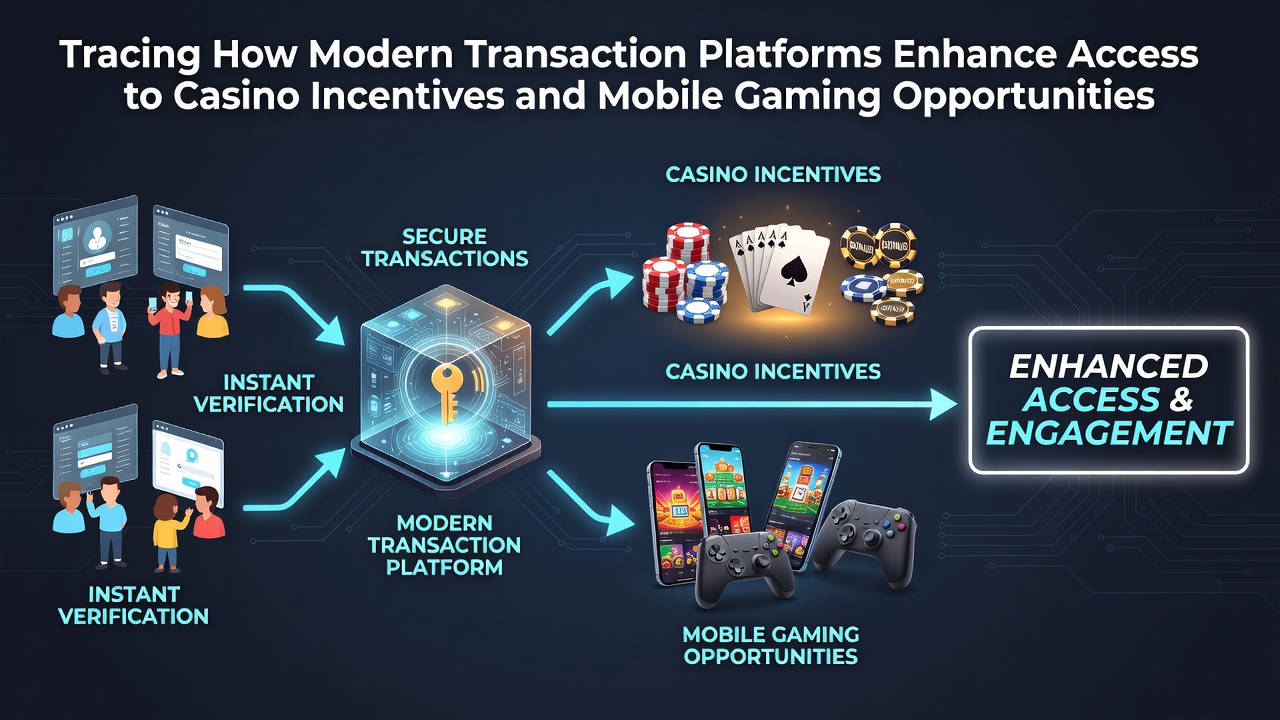
Modern transaction platforms have reshaped how players reach casino incentives while expanding mobile gaming reach, and these systems rely on instant verification processes that reduce delays between registration and reward activation. Payment providers integrate with casino operators to process e-wallet transfers, bank pushes, and digital currency options in seconds rather than hours, which allows promotional codes to activate immediately on smartphones and tablets. Observers note that this speed matters most for no-deposit offers because the absence of an initial transfer removes one layer of friction that previously blocked mobile users from testing games right away.
Transaction Speed and Incentive Activation
Fast settlement times directly influence whether free spins or matched deposits appear in player accounts before the promotional window closes, and many platforms now embed automated checks that confirm identity documents during the first deposit attempt. Researchers tracking payment adoption patterns report that users who complete verification through these integrated systems gain access to mobile-exclusive bonuses within the same session, whereas older manual review methods often required separate desktop confirmation. Data from industry analyses show that operators using real-time rails experience higher conversion rates from bonus claims to actual spins, particularly when the incentive arrives as an instant credit rather than a pending item.
Payment gateways also support geo-specific rules that adjust bonus eligibility based on location data collected at the moment of transaction, and this capability helps operators comply with varying regional requirements without forcing players to restart the process on different devices. Those who study digital finance flows observe that the same infrastructure powering quick deposits frequently handles withdrawal requests with similar efficiency, which builds trust and encourages repeated mobile sessions.
Mobile Integration and Accessibility Patterns
Smartphone applications now embed payment APIs that allow one-tap selection of previously stored methods, and this convenience extends to claiming deposit-free spins that appear automatically after the initial app launch. Studies of user behavior indicate that players complete more gaming sessions when they do not need to leave the mobile interface to manage funds or enter lengthy bonus codes, since seamless handoffs between wallet and game lobby keep engagement continuous. In June 2026 several major providers rolled out updated APIs that further reduced confirmation steps for returning users, resulting in measurable increases in daily active mobile accounts according to aggregated platform metrics.
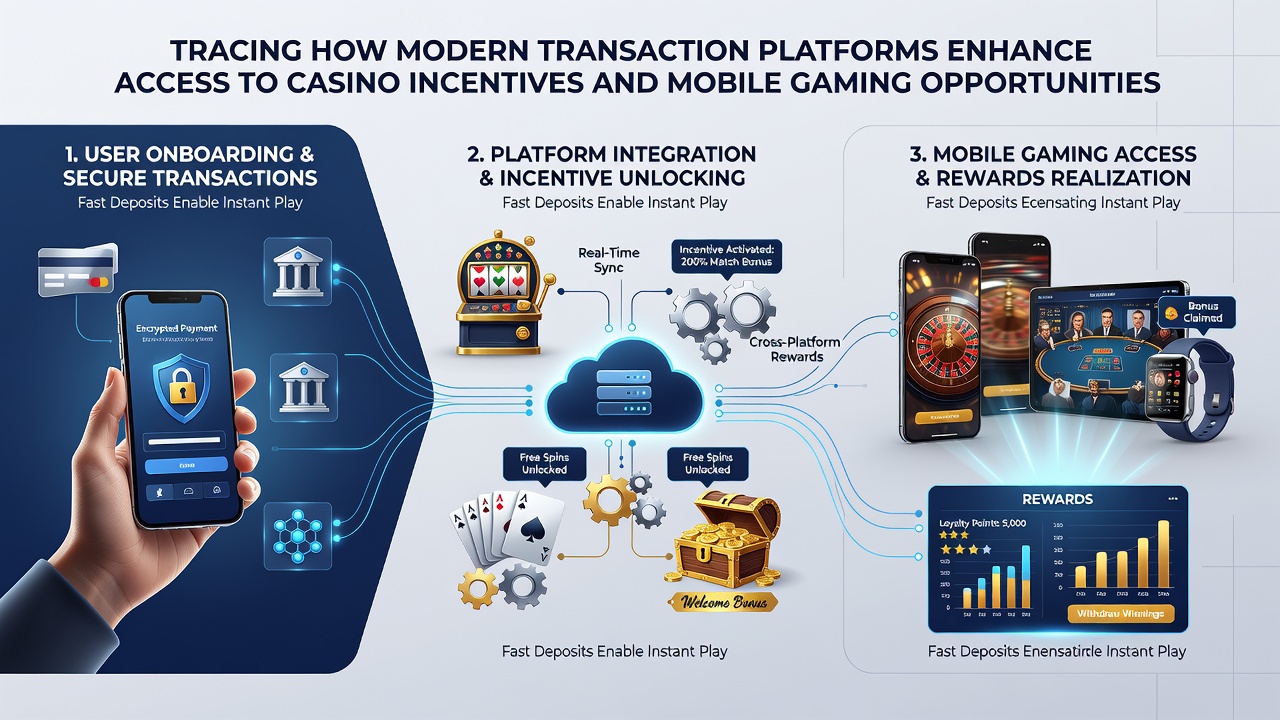
Push notifications tied to these transaction platforms alert users when new mobile-only incentives become available, and the alerts often include direct links that bypass traditional login sequences. Analysts examining cross-device patterns find that such notifications drive higher redemption rates when the underlying payment method already holds verified status, eliminating extra security prompts that can interrupt momentum on smaller screens.
Security Measures Supporting Broader Access
Encryption standards and tokenization methods protect each transfer while still permitting rapid processing, and regulators outside the United Kingdom have published guidelines that encourage these technologies as a means to reduce fraud without slowing legitimate play. American Gaming Association research highlights how tokenized payments lower chargeback rates across mobile channels, which in turn allows operators to release larger incentive pools with greater confidence. Multi-factor authentication layered into the transaction flow adds protection yet remains invisible to the user once initial setup completes, preserving the speed that makes mobile access appealing.
Industry groups such as the European Gaming and Betting Association have documented how standardized payment interfaces improve transparency around bonus terms, since the same records used for fund movement can display wagering requirements in real time inside the app. This visibility helps players track progress toward cash-out thresholds without switching between separate account and banking screens.
Future Developments in Platform Connectivity
Emerging integrations between payment processors and game developers allow certain mobile titles to trigger bonus features directly from successful transactions, and these connections create new promotional structures that reward volume or frequency without additional deposits. Observers tracking June 2026 updates note continued experimentation with instant settlement cryptocurrencies that settle in under a minute, expanding incentive access for users in regions where traditional banking rails remain slower. Such developments maintain the core pattern where faster, verified movement of funds translates into more immediate opportunities to engage with casino content on portable devices.
Conclusion
Transaction platforms continue to serve as the bridge that turns promotional offers into playable credits across mobile environments, and their ongoing refinements in speed, security, and integration shape how incentives reach users. The documented growth in mobile session counts aligns with improvements in payment infrastructure, confirming that reduced friction at the funding stage expands overall participation in casino gaming activities.