Payment Infrastructures and Their Impact on Tiered Incentive Models in Hybrid Gaming
Jakob Meier · Jul 24, 2026
Payment Infrastructures and Their Impact on Tiered Incentive Models in Hybrid Gaming
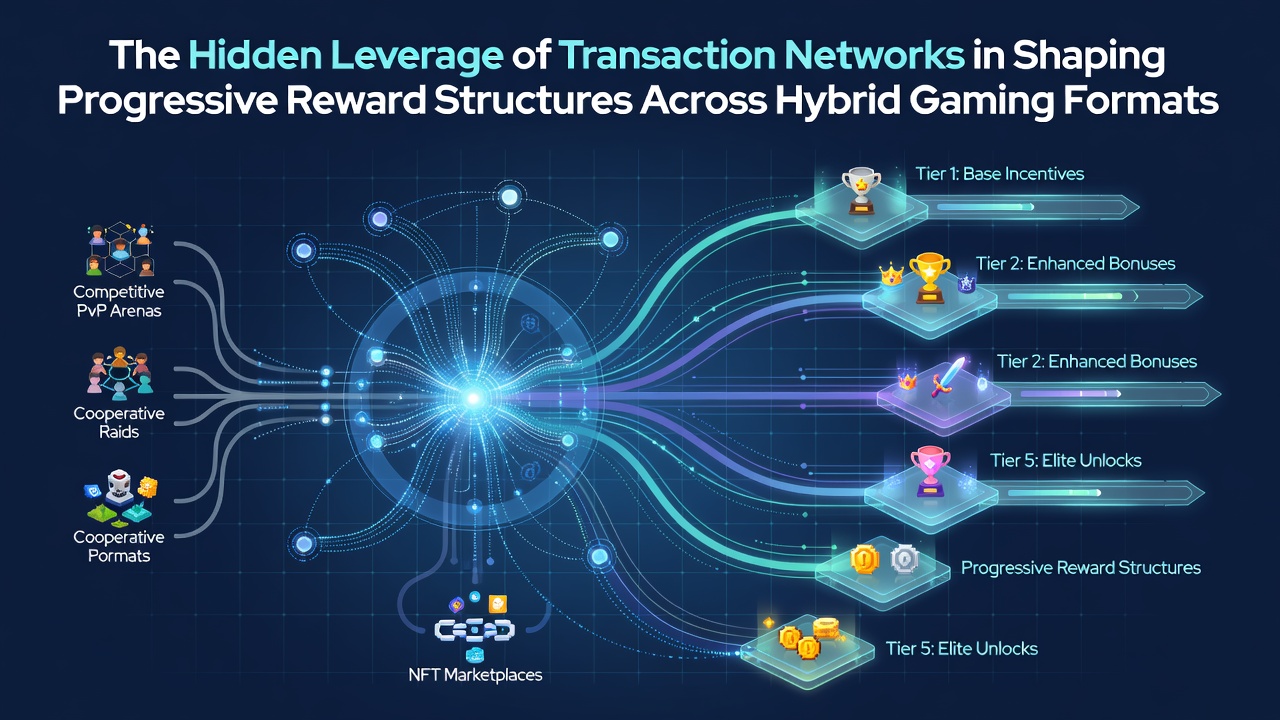
Transaction networks form the backbone of reward distribution in hybrid gaming formats that combine slots with live dealer options, and data from multiple regulatory bodies shows these systems track player activity across platforms to adjust incentive tiers in real time. Observers note that seamless data flows between payment processors and game servers allow operators to build progressive reward structures where bonuses scale based on combined wager volumes rather than isolated game types. Research indicates that as of July 2026, integration rates for these networks have risen notably in markets outside the UK, with operators reporting faster reward unlocks when transaction speeds improve.
Core Components of Transaction Networks in Gaming
Payment gateways, blockchain ledgers, and centralized clearing houses connect slot machines to live tables, which means player deposits and wagers register instantly across both formats and trigger tier advancements without manual intervention. Studies from the UNLV International Gaming Institute highlight how these networks use API linkages to pull transaction histories and apply multipliers to loyalty points earned in hybrid sessions. Those who've examined the infrastructure find that latency reductions below two seconds correlate with higher retention in blended environments, while slower systems lead to fragmented reward calculations.
Take one operator in a North American jurisdiction that linked its slot floor to live casino streams through a unified ledger; transaction records then fed directly into a progressive bonus engine that escalated free spin allocations and table rake rebates based on total handle. Figures reveal this approach lifted average reward redemption rates by double digits over isolated systems, because players saw their activity in one format immediately influence benefits in the other.
Data Patterns Across Regions
Reports compiled by the Australian Gambling Research Centre demonstrate that transaction networks handling cross-format data produce more granular reward tiers than legacy batch-processing methods. In markets where real-time settlement dominates, progressive structures often feature five or more levels that unlock additional perks such as enhanced multipliers or priority seating at live tables. Evidence suggests the shift accelerated after 2024 when several jurisdictions mandated faster reporting standards for player funds movement.
What's notable is how these networks also support compliance checks while shaping incentives, since every transfer carries metadata that flags responsible play thresholds and simultaneously adjusts bonus eligibility. Researchers discovered that operators using multi-region processors achieved broader geographic reach for hybrid promotions, allowing rewards earned on mobile slots to apply seamlessly at live dealer sessions hosted in different time zones.
Progressive Reward Mechanics in Practice
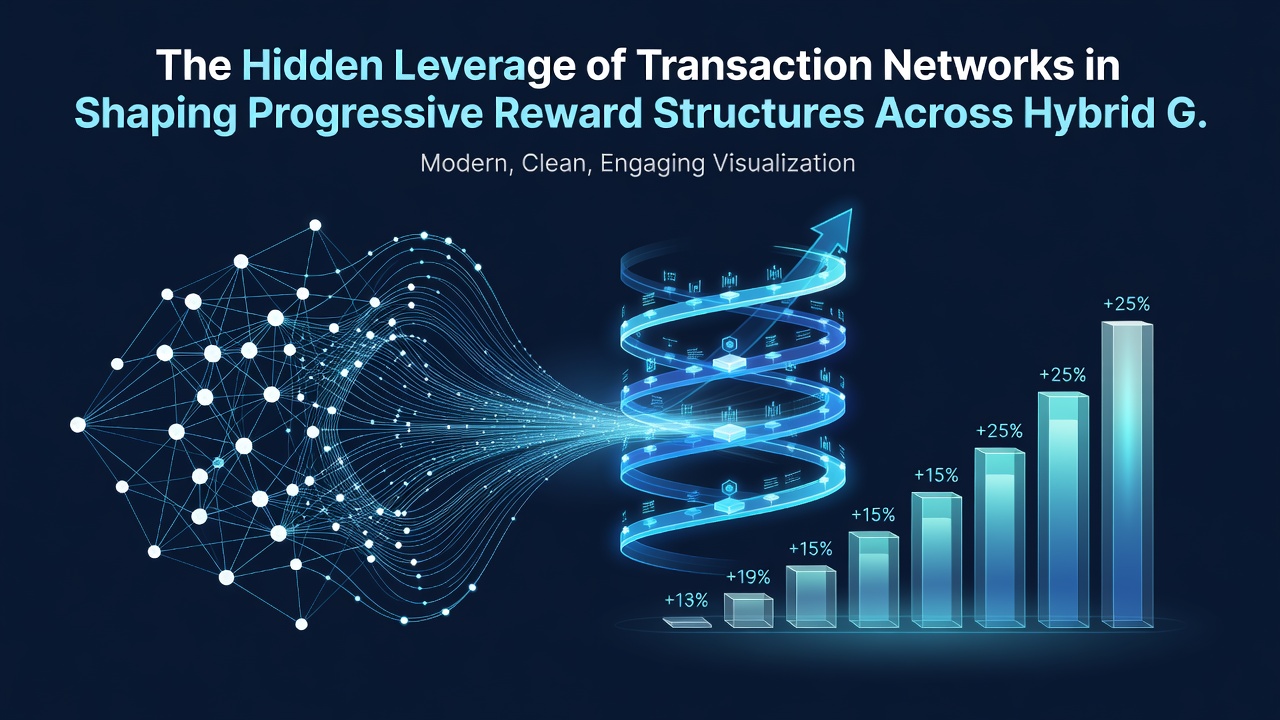
Layered incentive models rely on cumulative transaction scoring where a player's combined volume across slots and live formats determines the next reward bracket, and analysts observe that networks capable of sub-second reconciliation enable daily or even hourly tier updates. Data shows this granularity encourages sustained hybrid engagement because milestones feel attainable rather than distant. One study revealed that systems incorporating both fiat rails and digital wallets expanded the types of wagers that count toward progression, incorporating smaller live table bets that previously fell outside reward windows.
But here's the thing: not all networks deliver equal leverage, because those built on legacy batch files create delays that push reward calculations into the following day and reduce perceived value for players who switch formats mid-session. Observers note that jurisdictions adopting unified transaction standards in 2025 and 2026 recorded steadier growth in hybrid game participation compared with regions retaining fragmented processors.
Future Trajectory Through Mid-2026
Industry associations tracking global trends report continued investment in interoperable networks that link emerging game formats with existing reward engines, which suggests progressive structures will incorporate more variables such as session length and game variety alongside pure transaction volume. Evidence from academic papers indicates that these expansions maintain compliance with varying regional caps while still delivering escalating benefits to active hybrid players. Those monitoring deployment patterns find that operators prioritizing network upgrades achieve faster rollout of new incentive layers without disrupting existing player balances.
Conclusion
Transaction networks continue to underpin the evolution of progressive reward structures in hybrid gaming by enabling precise, cross-format tracking that older systems could not support. Data from diverse regulatory and research sources confirms that faster, more integrated payment infrastructures produce more responsive tier systems, and operators adopting these approaches record measurable differences in player activity across slots and live formats. As networks mature through 2026, the linkage between transaction speed and reward accessibility remains a central factor in how hybrid environments distribute incentives.