Payment Protocol Integration with Promotional Triggers on Digital Reel Platforms
David Schmitz · Aug 21, 2026
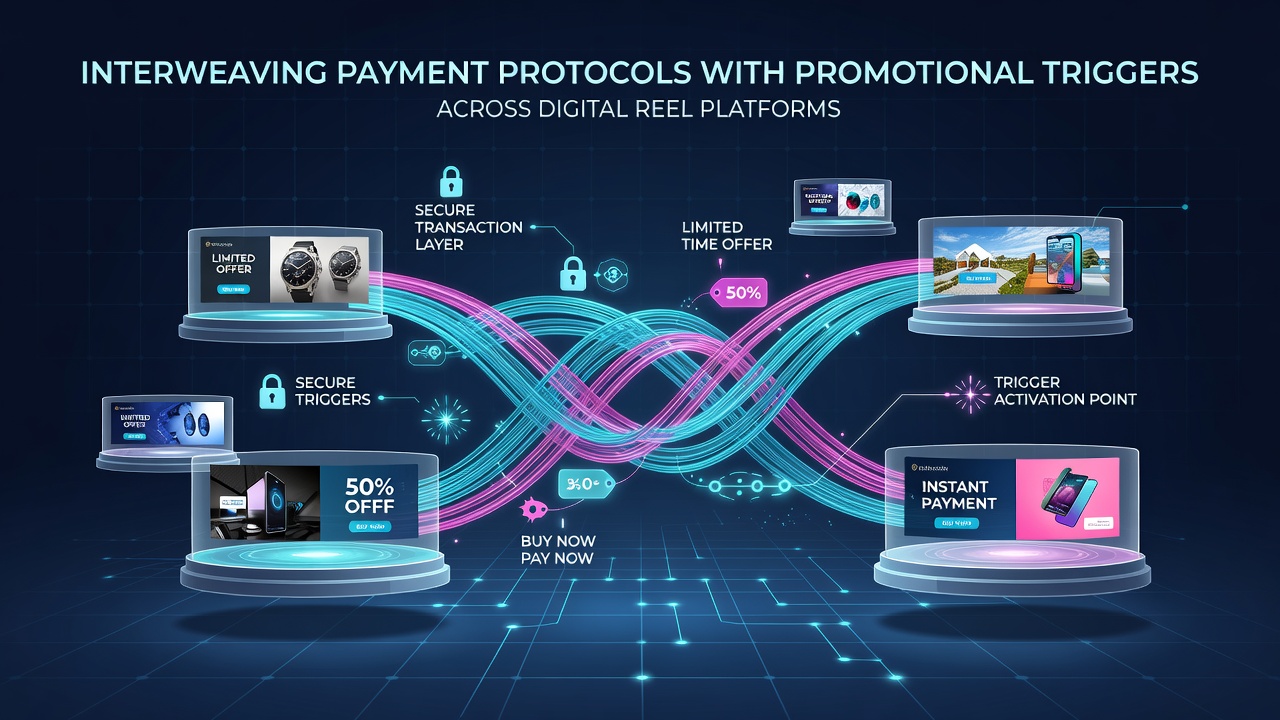
Payment Protocol Integration with Promotional Triggers on Digital Reel Platforms
Digital reel platforms have developed intricate connections between payment protocols and promotional triggers over recent years, creating systems where transaction processing directly activates bonuses, free spins, and other incentives. Observers note that these integrations rely on secure APIs and real-time verification methods that link deposit confirmations to specific reward conditions across multiple jurisdictions. Data from industry reports indicate steady adoption of such frameworks as platforms seek to streamline user experiences while maintaining compliance with varying regulatory standards.
Core Mechanisms of Payment and Promotion Linkage
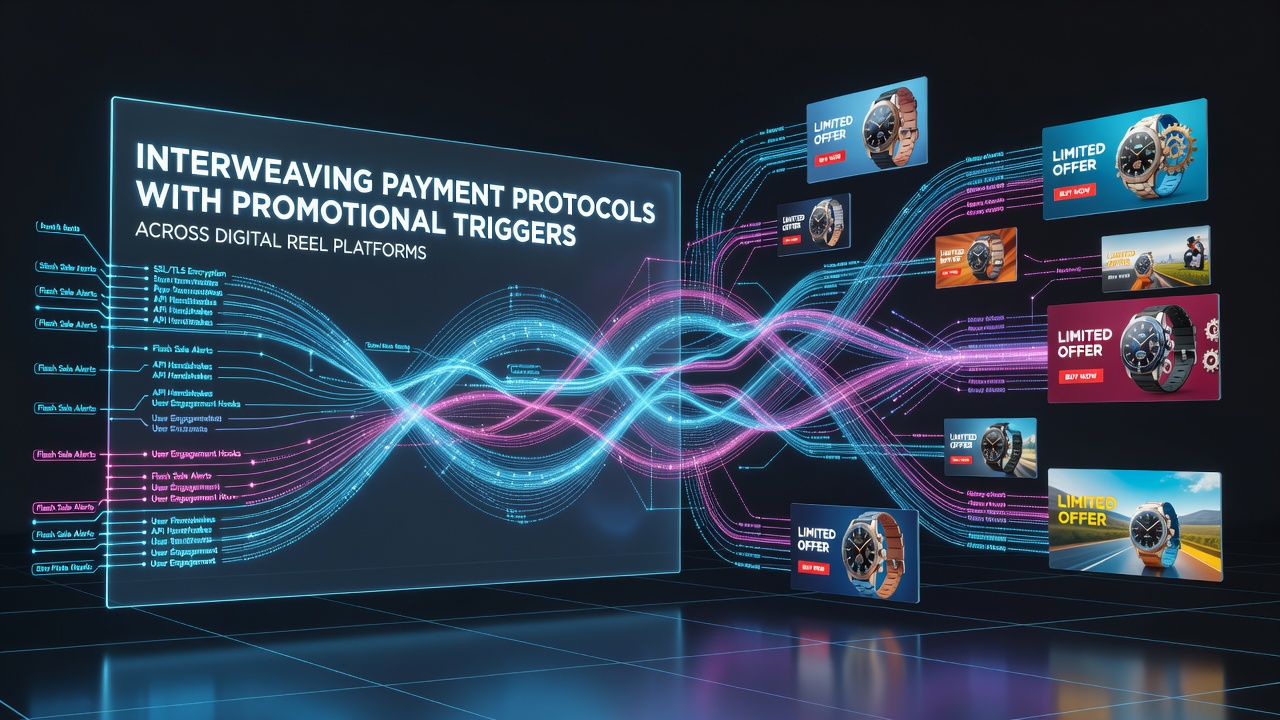
Payment protocols in these environments typically employ standardized messaging formats that transmit transaction details to backend systems capable of evaluating eligibility for promotions, and this process occurs within milliseconds of authorization. Researchers have documented how protocols such as those based on open banking or tokenized card networks feed into rule engines that scan for matching criteria like minimum deposit amounts or first-time transaction flags. Those who have examined platform architectures report that conditional logic then determines whether a promotional trigger activates, releasing rewards into player accounts without additional manual steps.
Studies from academic institutions highlight the role of timestamp synchronization in preventing duplicate triggers, while ensuring that each payment event aligns precisely with campaign parameters set by operators. One analysis conducted in 2025 revealed that platforms utilizing event-driven architectures reduced processing delays by integrating payment gateways directly with promotion databases, allowing for immediate application of bonus multipliers or spin allocations.
Technical Standards and Security Considerations
Standards bodies have established guidelines for data exchange that support these interweavings, emphasizing encryption and tokenization to protect sensitive financial information during trigger events. Experts have observed that compliance with frameworks like PCI DSS remains essential, yet additional layers address promotional data flows to avoid mismatches between payment records and reward ledgers. Platforms operating across regions often incorporate geo-fencing within their protocols to respect local rules on bonus structures and payment methods.
By August 2026, updates to several international payment standards had begun influencing how reel platforms handle cross-border transactions tied to promotions, with automated currency conversion checks feeding into eligibility verifications. This development has allowed operators to expand trigger capabilities while adhering to anti-money laundering protocols that require verification steps before reward disbursement.
Regional Variations in Implementation
Implementation patterns differ by region, with North American platforms frequently incorporating state-level verification layers that interface with payment processors before promotional triggers engage. In contrast, European systems often emphasize centralized reporting that aggregates payment and promotion data for oversight purposes. A report issued by the American Gaming Association details how certain U.S. jurisdictions have seen increased use of these integrated protocols in regulated markets, citing efficiency gains in transaction monitoring.
Australian research institutions have contributed findings on consumer behavior patterns linked to these systems, noting that seamless payment-to-promotion flows correlate with higher engagement rates in monitored trials. Platforms there have adjusted trigger conditions to align with responsible gaming measures, embedding spending limit checks directly into the payment protocol stack.
Future Directions and Industry Trends
Emerging technologies such as blockchain-based verification continue to attract attention for their potential to enhance transparency in payment-promotion linkages, although widespread deployment remains limited as of mid-2026. Industry organizations have begun exploring standardized APIs that could facilitate interoperability between competing platforms, reducing fragmentation in how promotional triggers respond to diverse payment methods.
Those monitoring developments point to increased focus on real-time analytics that track the performance of integrated triggers, providing operators with metrics on conversion rates and reward utilization. This data informs refinements to protocol configurations, ensuring that promotional activations remain aligned with transaction volumes across digital reel environments.
Conclusion
Payment protocol integration with promotional triggers represents an established feature of digital reel platforms, supported by technical standards, regional adaptations, and ongoing refinements documented through industry and academic channels. As systems evolve, the emphasis remains on secure, compliant mechanisms that connect financial transactions to incentive delivery in structured, auditable ways.