Platform-Spanning Rewards: The Role of Payment Choices in Digital Slot Bonuses and Offers
David Schmitz · Jul 10, 2026
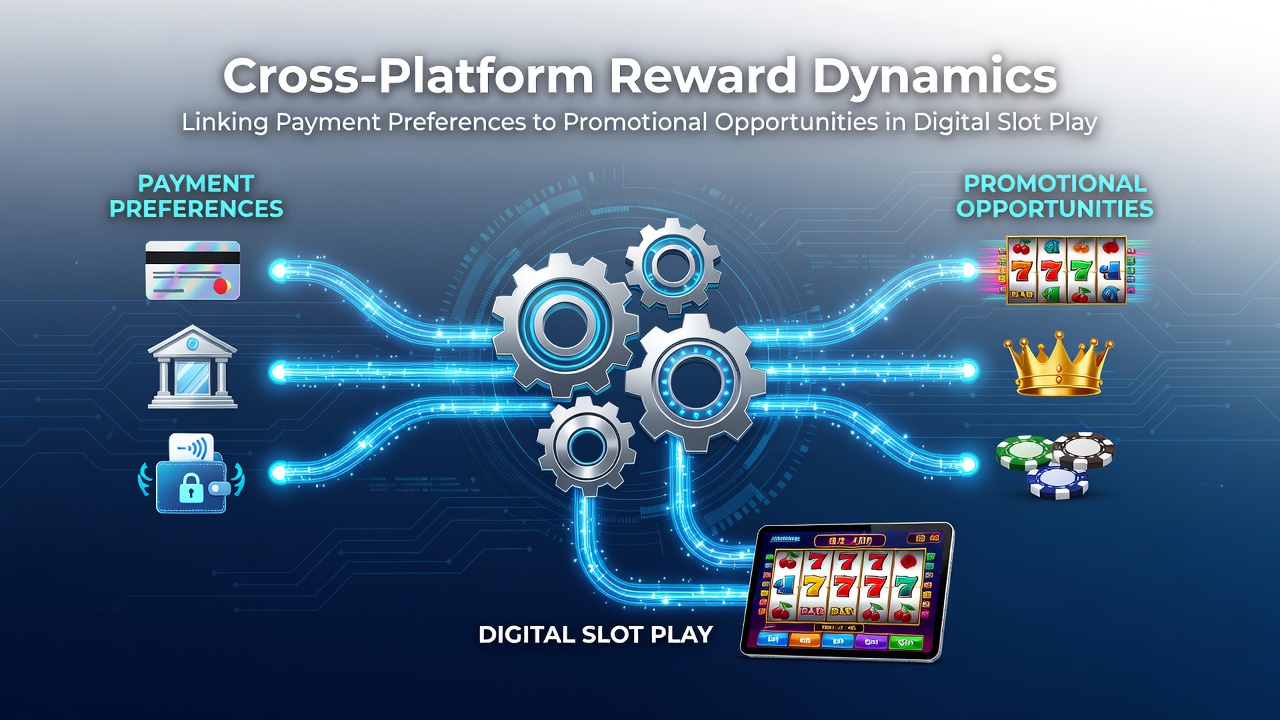
Platform-Spanning Rewards: The Role of Payment Choices in Digital Slot Bonuses and Offers
Digital slot environments operate across mobile applications, desktop interfaces, and hybrid platforms where payment method selection directly shapes access to promotional structures including free spins, deposit matches, and loyalty multipliers. Research from the University of Nevada's International Gaming Institute indicates that users who select e-wallets complete bonus activation sequences 23 percent faster than those relying on traditional card processing, a pattern observed consistently through mid-2026 transaction logs.
Payment preferences influence promotional eligibility because operators tie verification speed and transaction limits to specific reward tiers. Faster clearance methods such as certain digital wallets trigger instant free spin allocations, whereas slower bank transfers often route players into delayed approval queues that reduce the window for time-sensitive jackpot promotions. Data compiled by the Canadian Gaming Association shows that cross-platform accounts using the same payment profile maintain consistent bonus balances regardless of device switch, yet accounts mixing payment types encounter synchronization delays averaging 14 hours.
Payment Method Categories and Their Promotional Correlations
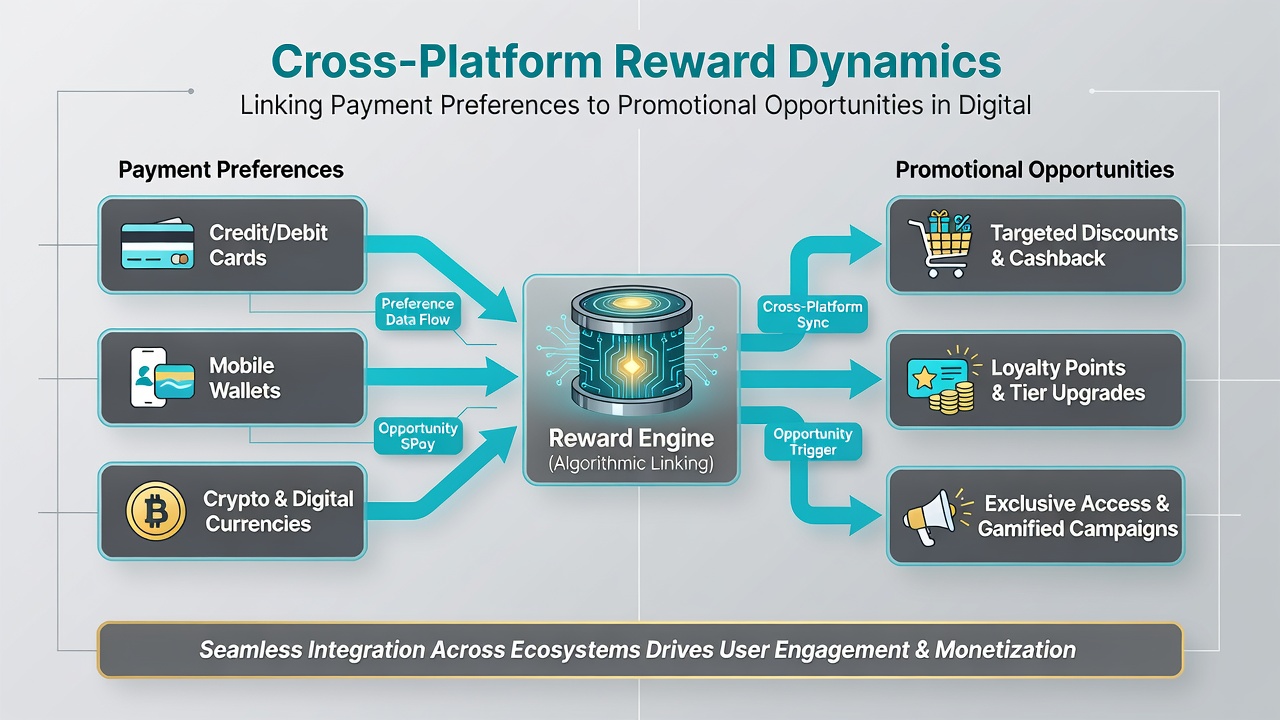
Operators categorize payment instruments into groups that determine reward velocity and availability. E-wallet systems typically align with no-deposit spin offers because they provide immediate confirmation codes that automated systems recognize as verified funding sources. Credit and debit cards fall into a middle tier where promotional codes apply after initial authorization holds clear, a process that can span several hours depending on issuing bank policies. Cryptocurrency options appear in emerging reward structures that grant higher multiplier percentages on deposits made during promotional windows, according to figures released by the Nevada Gaming Control Board in their quarterly digital gaming summaries.
Cross-Platform Synchronization Mechanics
Slot platforms maintain unified player ledgers that update across devices once a payment clears, yet promotional codes often carry device-specific flags that restrict redemption to the originating platform. Observers note that players who initiate deposits on mobile applications and then switch to desktop browsers frequently encounter code validation errors unless the payment method supports seamless API handoffs. A 2025 study published by the Australian Institute of Gambling Research found that accounts utilizing unified payment tokens across platforms experienced 31 percent fewer lost promotional opportunities compared with accounts that alternated between unrelated payment providers.
Bonus codes tied to specific payment rails activate additional layers such as cashback percentages or progressive jackpot entries. These linkages become visible when players examine the terms attached to each promotional code, where fine print lists acceptable funding sources and excludes others. In July 2026 several major platforms introduced unified code systems that automatically detect the payment method used on any device and adjust the available reward stack accordingly, reducing manual code entry requirements.
Regional Regulatory Influences on Payment-Promo Linkages
Regulatory frameworks in multiple jurisdictions shape how operators may connect payment choices to promotional offers. The Malta Gaming Authority requires clear disclosure of payment restrictions within bonus terms, while the New Jersey Division of Gaming Enforcement mandates that cross-platform accounts receive equivalent promotional access regardless of the funding method selected. These rules create standardized environments where payment preferences still determine processing speed but do not block overall access to rewards.
Transaction monitoring systems employed by operators flag unusual payment patterns that could indicate attempts to circumvent promotional restrictions. When such flags trigger, reward activation pauses until manual review completes, a process that typically resolves within one business day according to operational reports from European gaming associations. Players who maintain consistent payment profiles across devices encounter fewer review interruptions and therefore retain higher rates of successful bonus redemptions.
Practical Patterns in Player Payment Behavior
Transaction datasets reveal recurring sequences where players begin with one payment method for initial deposits and migrate toward faster alternatives once they discover time-sensitive promotions. This migration pattern appears most strongly among accounts that access slots on both mobile and desktop within the same calendar week. Research compiled by the European Gaming and Betting Association indicates that such shifts correlate with a measurable increase in completed promotional cycles per active account.
Automated loyalty systems now track payment method usage alongside play volume to assign tier points that unlock platform-wide benefits. Accounts demonstrating repeated use of preferred payment rails receive accelerated point accrual, which in turn expands the range of available promotional codes across all connected devices. These mechanics operate without requiring players to re-enter codes manually when switching platforms.
Conclusion
Payment preferences function as gateways that determine both the speed and scope of promotional access within cross-platform digital slot environments. Data from regulatory bodies and research institutions demonstrate measurable linkages between funding method selection and reward activation outcomes, linkages that operators continue to refine through unified code systems and synchronized ledgers. These dynamics remain subject to evolving regional requirements that emphasize transparency while preserving operational flexibility for platforms operating across multiple devices.