Strategic Alignments: Optimizing Transaction Methods with Code-Based Incentives Across Portable and Interactive Casino Formats
Devon Lang · Jun 14, 2026
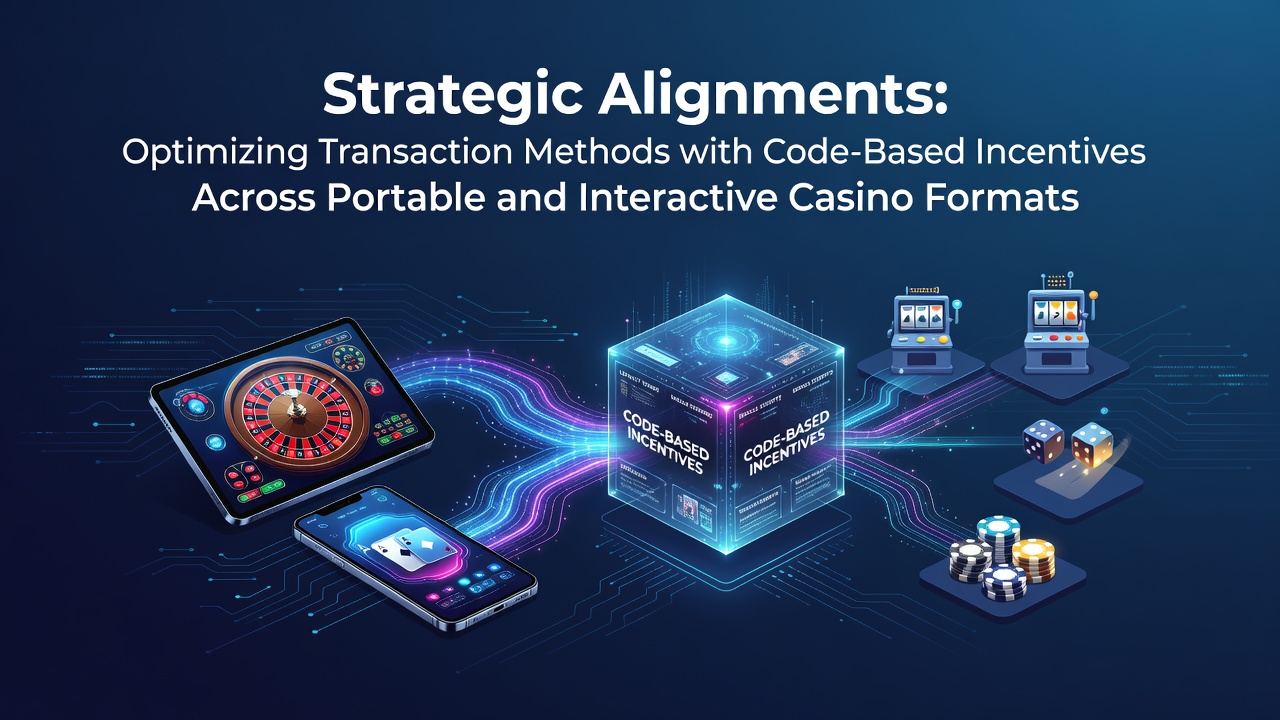
Strategic Alignments: Optimizing Transaction Methods with Code-Based Incentives Across Portable and Interactive Casino Formats
Transaction methods and code-based incentives now form integrated systems that operators deploy across mobile applications and live dealer platforms, where seamless payment flows directly support promotional code redemptions and player engagement metrics. Observers note that portable formats rely on instant deposit mechanisms such as e-wallets and digital banking transfers to activate free spin codes within seconds of verification, while interactive formats extend these alignments to real-time table environments through synchronized account interfaces.
Portable Format Integrations
Mobile casino applications process transaction requests alongside promo code entries through unified APIs that link banking partners with backend reward engines, allowing users to fund accounts and apply incentives without switching screens. Data indicates that operators achieve higher activation rates when payment gateways support one-click code validation, reducing friction between deposit confirmation and bonus deployment in portable sessions. Researchers at institutions tracking digital entertainment have documented how these alignments accommodate regional payment preferences, from cryptocurrency options in certain markets to traditional card networks elsewhere, creating consistent incentive delivery across device types.
Code-based systems in portable environments often tie transaction speed directly to incentive value, where faster clearances unlock tiered rewards such as additional spins or cashback percentages. Those who've examined platform architectures find that developers embed verification protocols within the payment flow itself, ensuring codes remain valid only after successful fund transfers complete. This approach maintains regulatory compliance while supporting player movement between games without repeated authentication steps.
Interactive Platform Extensions
Live dealer formats extend these alignments by embedding code redemption tools within streaming interfaces, where players apply incentives during table sessions through chat-linked or overlay systems connected to the same transaction ledgers used in mobile apps. Interactive setups benefit from synchronized payment rails that permit mid-session deposits, with code triggers activating features like enhanced multipliers or bonus rounds visible on shared dealer feeds. Evidence suggests that such integrations increase session duration because transaction methods and incentives operate on parallel timelines rather than sequential ones.
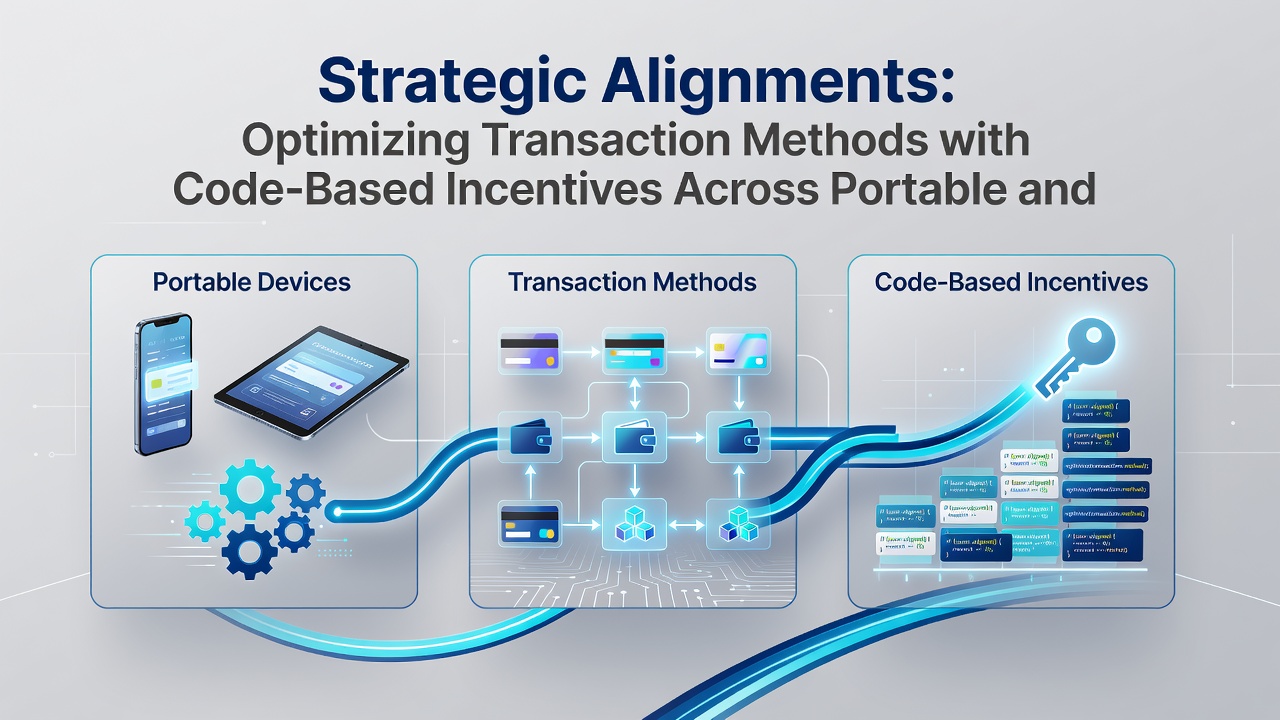
Operators coordinating across formats maintain unified player profiles that track both portable deposits and interactive redemptions under single code frameworks, reducing duplication of verification processes. What's interesting here is how live environments leverage the same e-wallet connections popular in mobile play, enabling instant top-ups that immediately qualify for ongoing promotions without interrupting dealer interactions. Industry reports from groups such as the American Gaming Association highlight consistent patterns where aligned systems support cross-format movement while preserving incentive integrity.
Optimization Through Data Alignment
Strategic optimization begins with mapping transaction velocity to code performance metrics, allowing operators to adjust incentive structures based on real-time payment success rates across regions. By June 2026, platforms had refined these mappings to account for seasonal payment trends, incorporating data from multiple regulatory jurisdictions including oversight bodies in North America and Europe. This produces incentive schedules that automatically scale rewards according to deposit method reliability, favoring those with lower failure rates in portable and interactive channels alike.
Additional layers involve API-level partnerships between payment processors and incentive engines, where code validity checks occur concurrently with transaction authorizations rather than afterward. Observers tracking these developments point to reduced abandonment rates when such concurrency exists, particularly in live formats where timing affects table participation. External analyses from research organizations like those affiliated with iGaming Ontario confirm that aligned architectures deliver measurable improvements in player retention when transaction methods and codes function as coordinated components.
Conclusion
Strategic alignments between transaction methods and code-based incentives continue to shape operations across portable and interactive casino formats through integrated technical frameworks and data-driven adjustments. These systems support consistent incentive delivery while adapting to varied payment landscapes and regulatory requirements. Continued refinement of API connections and profile synchronization remains central to maintaining performance as formats evolve.